Sidney, BC enjoys a mild coastal climate with warm, dry summers and cool, wetter winters. While the weather is generally more stable than inland destinations, conditions can still shift throughout the day—especially near the water. Be prepared! Make the most of your visit by dressing in layers, packing for both sun and light rain, and checking the forecast before you head out.
Spring in Sidney is a refreshing time of year, with longer days, blooming flowers, and a gradual return to warmer temperatures. April and May typically see daytime highs ranging from 12–17°C (54–63°F), with a mix of sunshine and light rain. The waterfront and local gardens come to life, making it an ideal season for walking, cycling, and exploring at a relaxed pace. While the weather is generally mild, it can still be variable—so pack layers and a light waterproof jacket to stay comfortable.

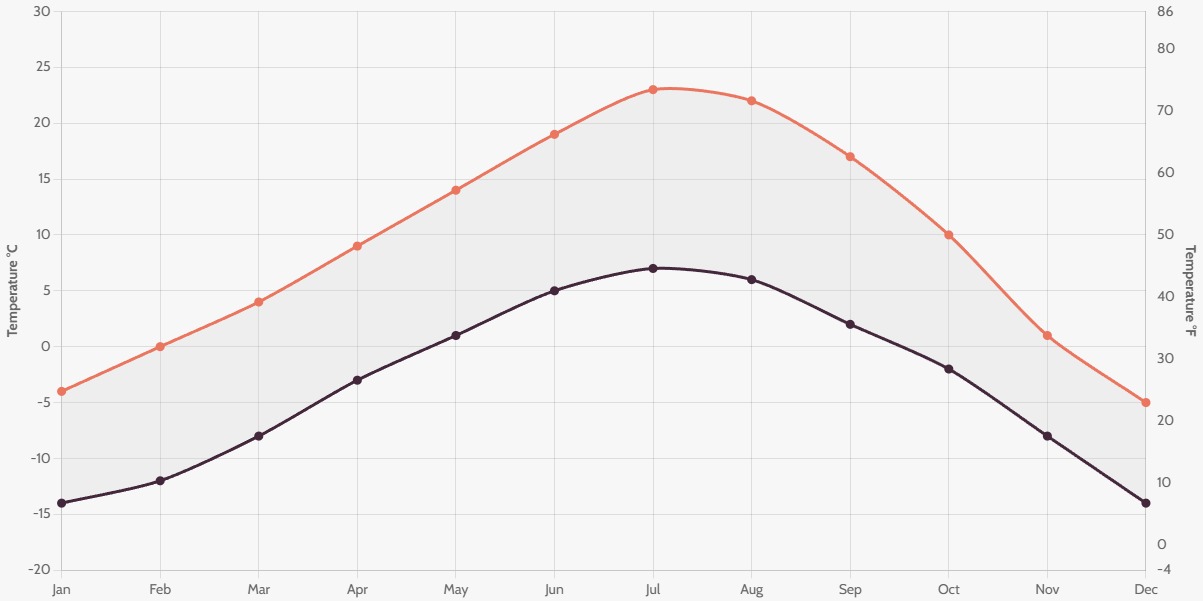
The information below offers a general overview of Sidney’s average monthly temperatures. With its coastal setting, the area enjoys mild conditions throughout the year, though weather can shift with changing winds and seasonal rainfall. Packing a few layers will help you stay comfortable in any conditions.
Average Monthly Temperatures – Sidney, BC (°C):
Summer in Sidney brings warm, sunny days and some of the most enjoyable weather of the year. July and August typically see daytime highs around 20–24°C (68–75°F), with cooler evenings thanks to the coastal breeze. Rain is minimal, making it an ideal time for beach walks, kayaking, patio dining, and exploring the waterfront. While temperatures are generally comfortable rather than hot, it’s still a good idea to pack light layers for the evenings and sun protection for long days outdoors.
Use this handy chart to get an idea of the average monthly temperatures in Banff and Lake Louise. Due to the mountain climate, the temperature and weather can be unpredictable so it’s important to come prepared for various conditions.
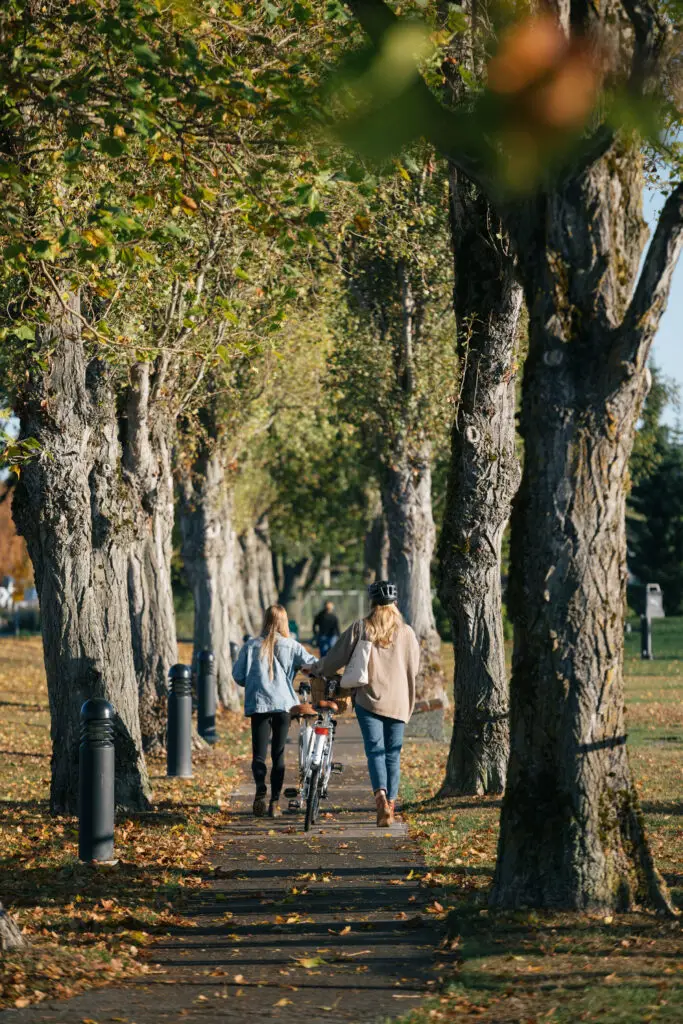
Fall in Sidney brings a gradual shift to cooler, more changeable weather, with September often holding onto warm, late-summer conditions before transitioning into wetter days through October and November. Daytime highs range from 18°C (64°F) in early fall to around 8–12°C (46–54°F) by November. It’s a beautiful time for coastal walks, with fewer crowds and crisp ocean air, though rain becomes more frequent as the season progresses. Pack layers and a waterproof jacket to stay comfortable while exploring.
Use this handy chart to get an idea of the average monthly temperatures in Banff and Lake Louise. Due to the mountain climate, the temperature and weather can be unpredictable so it’s important to come prepared for various conditions.
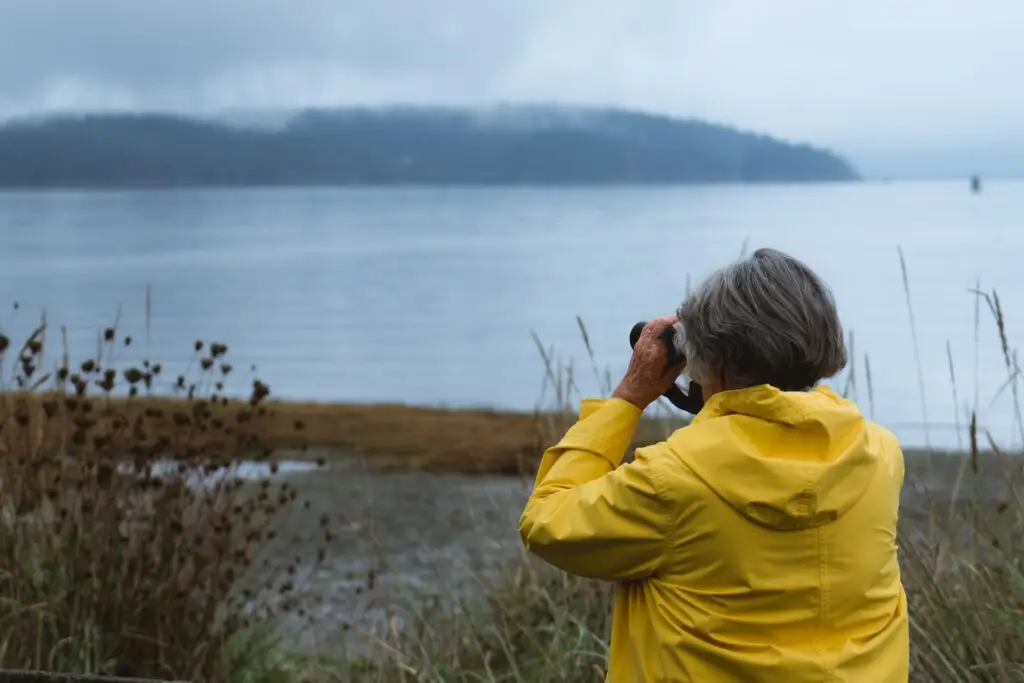
Winter in Sidney is mild compared to much of Canada, with cool temperatures and a mix of sun and rain from January through March. Average daytime highs range from 6–10°C (43–50°F), with chilly mornings and evenings but little to no snow. Coastal walks remain accessible year-round, and clear days often bring crisp ocean views and seasonal wildlife sightings. While it’s not peak beach weather, it’s a peaceful time to explore without the summer crowds. Be sure to pack waterproof layers and a warm jacket to stay comfortable in changing conditions.
This chart offers a general overview of Sidney’s average monthly temperatures. With its coastal setting, the area enjoys mild conditions throughout the year, though weather can shift with changing winds and seasonal rainfall. Packing a few layers will help you stay comfortable in any conditions.